

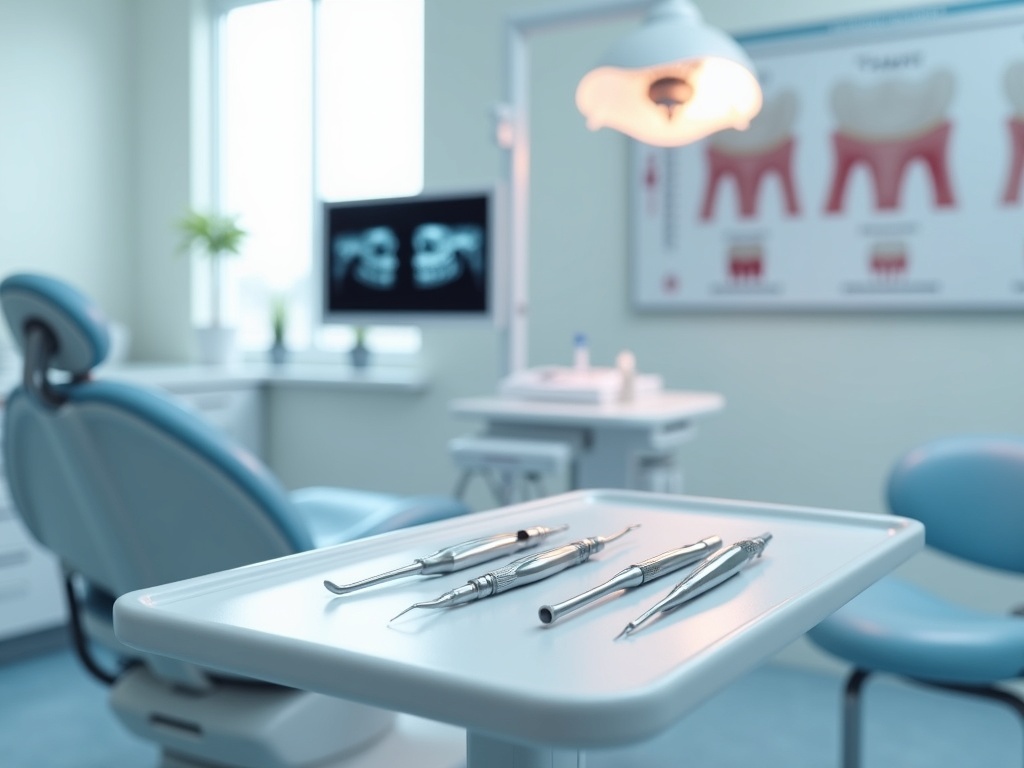
Why Regular Dental Checkups Catch More Than Just Cavities
Most people think that scheduling a dental appointment is all about cavities and perhaps a cleaning, but in reality, that’s only part of it. Believe it or not, 30 minutes in the chair offers a whole lot more than most expect.
For one, your dentist assesses your whole mouth—things that you would never look at up close. Even if you brush, you’re not doing what a dentist does. Some things are glaring and some small, but in the long run, it helps your dentist make decisions about your dental fate.
What They Actually Look At
So what exactly are they looking at? Everything. They look at your gums of course, but they also look at your tongue, the insides of your cheeks, the roof and floor of the mouth—everything that’s soft tissue and not necessarily focused upon when people brush their teeth.
Those are the areas that are most likely to beg for early treatment. Maybe there’s an area that’s slightly irritated or inflamed that you haven’t even noticed as being problematic. Perhaps your gum bleeds a little when you floss but figured that was par for the course (it’s not). But your dentist knows what’s good and what’s bad; they’ve been trained to identify early signs of problems.
They also look at your bite—the occlusion—which is how the upper and lower teeth match up. This is more important than you think it is. In time, the jaw can create pressure where there’s no teeth or teeth can shift where others should go and a person may never notice this until someone tells them. In addition, a weird bite could cause problems chewing or experience jaw pain.
What Your Teeth Are Telling Them
From there, your teeth tell a story all their own. Teeth wear down in certain areas based upon how you eat—also along the edges, where flatness shouldn’t exist but does. When teeth wearing down is uneven or abnormal, that’s another story.
For example, some individuals who have flat edges on their teeth are often found to also be grinding their teeth at night. And the unfortunate thing is that people who grind their teeth at night rarely know they’re doing it, because they’re sleeping. They wake up with headaches or jaw soreness and don’t understand why—but their dentist can ultimately explain this to them.
They see wear patterns in the enamel and may suggest a mouthguard for teeth grinding to prevent any further problems from arising. Because once you’ve worn down enough enamel, you’re stuck with a situation that could have been avoided had someone stepped in early enough to prevent such catastrophes.
The Hidden Issues
Cavities are easy, a hole in a tooth needs to be filled, but there are other cavities which dentists find. For example, a dentist will tell if someone’s mouth is too dry—those can cause issues. Acid erosion can be anticipated from improper eating habits and even dental demise if someone has severe reflux problems with their oesophagus that they don’t know about yet. They can even tell if someone’s used their teeth as tools to open packages or chomping on pens while taking notes (we’ve all done it).
X-rays provide further insight into what’s going on beneath the gums—areas that people cannot see or sense without ever feeling pain. People might be suffering from bone loss or root infection or even teeth that are impacted. None of this is felt early on, which is why check-ups are critical for avoiding problems before pain sets in because, for many people, that’s too late.
Why It’s Important to Catch Something Early
This is why preventative care is so critical. It’s way better and easier to solve problems when they’re small than when they’re large. When someone has slight wear patterns on their teeth, steps can be taken proactively to protect teeth. Once they’re halfway gone and crowns are needed, it’s not as easy to go back in time to prevent those circumstances before they exist!
Gum disease, too, is easier diagnosed early on when it’s just gingivitis and manageable through brushing and flossing as opposed to full blown periodontitis down the road—which creates much more difficult circumstances!
In addition, money matters as well; if two visits per year with a cleaning offers decent protection, it’s way cheaper than any root canals or crowns or gum surgery down the line. Prevention is worth much more than intervention at all levels!
The Mouth Is A Window To Your Health
Something that people don’t often realize (but dentists do) is that the mouth serves as a portal for other health matters. A certain vitamin deficiency may show up in an odd patch in the mouth; some people with diabetes have higher glucose levels than others—but the signs show up in the mouth first; people with compromised immune systems sometimes get blisters or ulcers that aren’t related to other complications but show up in the mouth first instead.
No dentist will diagnose you with diabetes—but they may suggest that you bring something up with your practitioner based upon visuals they’ve come across. It paints a bigger picture of overall health through what otherwise would seem like normal checkups!
Getting The Most Out of Your Visits
For checkups to actually work in your favor, it helps to report what you’re feeling—and any discomfort you’re experiencing as well. If your jaw hurts when you’re chewing every third meal—but you’re still scheduling checkups every six months—your dentist needs to know so they can help. Even if something seems minuscule or unrelated or like it might be nothing—they need to know! Dentist care isn’t like mind reading—they can’t help what’s outside of their reach.
Also, not everyone needs to go every six months; certain people need more frequent visits and certain people can go longer without seeing a dentist—based upon personal history, risk factors and needs managed at home. It all depends on what’s best for you—and usually, your dentist knows what’s best!
Conclusion
Dental checkups are about so much more than spotting cavities; they spot issues long before you may ever know they exist and help protect you from damage—whether invisible or not—and help paint a comprehensive picture of what’s going on within your mouth at any given time. That’s where true value lies—in prevention rather than diagnosis!