

The History Behind Wild Yam as a Traditional Remedy
The historical use of wild yam is a remedy across continents and cultures spanning centuries. The modern use of the plant as a natural, commercially branded product has a story that corresponds to the preserved knowledge of folk medicine between the ages and how it’s been eventually commercialized in certain cases.
The historical use makes legitimate sense to its modern appeal (especially in natural health products) and serves to debunk or substantiate what the traditional use actually claims.
Where Traditional Use Occurs
As noted, the Dioscorea species that occur in North America were largely cultivated by Native Americans, but intercultural dynamics went a long way to information about this species and subsequent applications being spread about.
For example, tribes historically across North America used wild yam for various purposes, although more was known about the plant regionally and applied to specific strains.
For example, some tribes used wild yam as a solution for gastrointestinal disturbance. Some tribes made treatments of wild yam when women were going into labor or they were using natural solutions to treat female reproduction. Although the applications differ (tea, poultice, etc.), the root was always the part in which medicine was applied.
All of this came through observation from generations of use passed down through oral tradition. There were no clinical trials or applications; medical or scientific expertise – and very little chemical analysis – existed; instead, it was all about what worked over time for whom and for what.
Mexican Cultivation
Equally important for the Dioscorea species relevant in the United States are those in Mexico (Dioscorea mexicana and Dioscorea composita). These are important to understand with a newer historiography of the plant due to their concentrations of diosgenin, a big deal with pharmaceuticals during the 1940s and 1950s.
The diosgenin became known as a precursor to synthetic progesterone and steroids. Thus, in the 1940s and 1950s, western scientists surmised they could construct synthetic progesterone and steroids out of diosgenin provided by these Mexican species. Thus, wild yam was harvested in Mexico in droves; this came to formulate other birth control pills.
This created great misunderstanding in modernity- since something can be used to create synthetic hormones does not mean it functions like hormones when topically applied and absorbed by human beings. This is not how chemistry works.
Traditional Chinese Medicine Reference
Traditionally, Dioscorea species are applied in Traditional Chinese Medicine (TCM) as "shan yao." Like the rest of the world and people, applications differ; for specific TCM applications arise based on dietary disturbances and energetic production based on TCM principles.
Thus, shan yao is considered a tonic herb for people with weaker spleens and stomachs; for kidneys it’s necessary; it works to nourish yin. The preparation works through the implementation of cooking/preparation processes with time-tested tea means.
The Natural Modern Approach
The modern approach to wild yam started in the late twentieth century when naturalized western medicine applied itself to both practitioners and product makers.
Thus, when attempting to find topical solutions for women who sought natural solutions for a variety of health concerns, the solution either arose from awareness or went in seeking natural remedies for intersectional benefits.
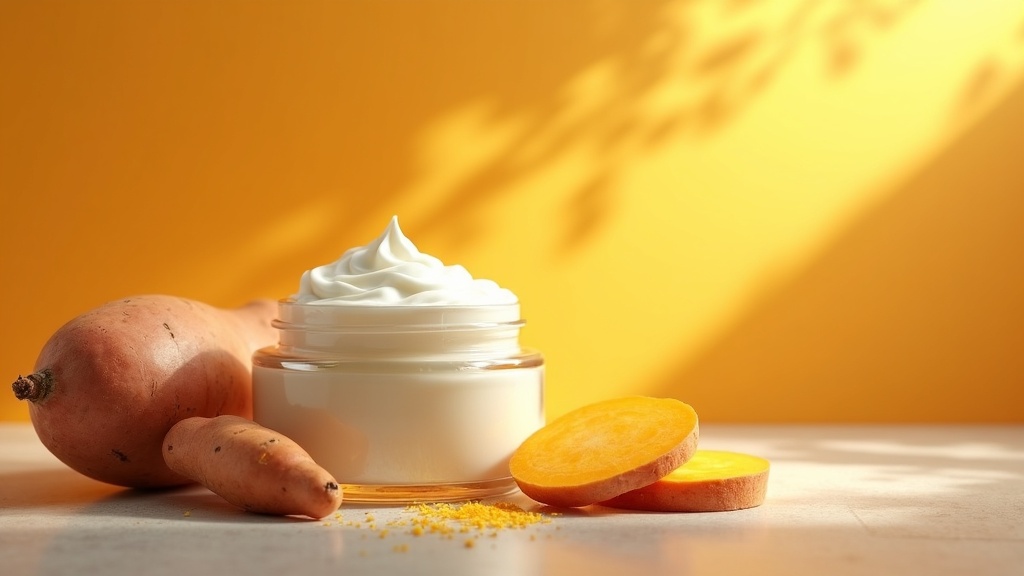
Thus, the Wild Yam Cream became an increasingly modernized version of contemporary use with modernized means to create topical ointments for marketable price-pointed applications.
It should be noted that wild yam products as such are not medically regulated; it’s up to the consumer to determine with their physician if use is helpful – especially with anything hormonal or if medications are already being taken. Just because something is natural does not mean it’s without risk.
What Traditional Use Actually Claims
The traditional use claims were more humble (and equally effective) than what claims are marketed today. Traditional herbalists never claimed that wild yam was an end-all-be-all panacea or that it functioned like hormones in chemical ways – merely that it could help through specified means as part of a greater healing system of options.
For example, different preparation methods exist than those on modernized products. Roots are dried, pulverized, steeped in water, prepared however is prescribed through generational knowledge. Modernized extraction and preparation can present something different than traditional application – and herbalists in ancient days rarely made topical products per se.
Also, cultural application matters. Traditional medicine worked on different ideologies than purely scientific outcomes. Things weren’t diagnosed or determined what could be helped without beneficial evaluation prior to limitations enforced.
Bridging the Historical Gap
Bridging the gap between historical information and modern claims occurs across naturalized products born from traditional remedies. Sometimes what’s culturally claimed gets taken as fact through generations without adhering to ethical concerns.
For example, if pharmaceutically inclined historiography deems wild yam exploitable for synthesized hormones, that doesn’t mean the plant itself will give those when applied topically – chemicals need to do that and man cannot take those regulated steps naturally through topical medication.
Thus, respect for traditional knowledge must exist – but not necessarily acknowledgment of all it’s worth is unethical – even if science hasn’t caught up with certain uses through generations over time.
Thus, it’s also important to note that although respected traditional uses have validity over generations where science has not substantiated everything – it’s good to acknowledge what’s known without over-claiming based on easy interpretations.
However, absolutes don’t exist where they’re represented as healing without accessible diagnostics today (we need better answers than assumed based on tradition).
Consult a Doctor First
Finally – consult your doctor first before using wild yam or anything else wild acquired medicinally or otherwise – naturally or not. In particular if something is being hormonally used; if someone is pregnant; if someone else is on numerous medications – unexpected things interact with each other.
Let a doctor be the judge; they can point out red flags along the way where personal circumstances cause complications.
Where history is important to understand wild yam it’s been vetted enough historically across cultures that suggests it holds weight for whoever used it since.
It also suggests how changes have adapted meaning and where conflict arises about failings of traditional knowledge acquisition in modern contexts.
Therefore, it’s a strong historiographical narrative that allows empowered individuals better educated about whether naturally made products make sense for their wellness endeavors at all – they should always confer with their qualified healthcare providers who will apply medical insights pertinent to unique circumstances.